

- July 15, 2025
- Web Editorial Board
- Health Guide, Physical Therapy and Rehabilitation, Treatment Methods and Operations
What is Pediatric Rehabilitation?
Movement, balance, and coordination difficulties that arise during children’s growth and development can be managed with early, play-based rehabilitation. Pediatric physiotherapy aims to help children internalize skills learned at a young age, thereby increasing their participation, self-confidence, and quality of life.
The Importance of Pediatric Rehabilitation
Pediatric rehabilitation encompasses a set of clinical and home programs aimed at optimizing mobility in infants, children, and adolescents experiencing motor development delays, musculoskeletal injuries, or neurological disorders. Early intervention ensures maximum utilization of brain plasticity, positively impacting future independence.
Which Children Need Rehabilitation?
- Neurological diagnoses such as cerebral palsy, spina bifida, and muscular dystrophy.
- Motor development delays due to prematurity.
- Orthopedic problems like fractures, ligament injuries, or scoliosis.
- Children requiring lung function support after respiratory illnesses.
- Preschool and school-aged individuals experiencing difficulties with balance, coordination, and fine/gross motor skills.
Key Treatment Areas
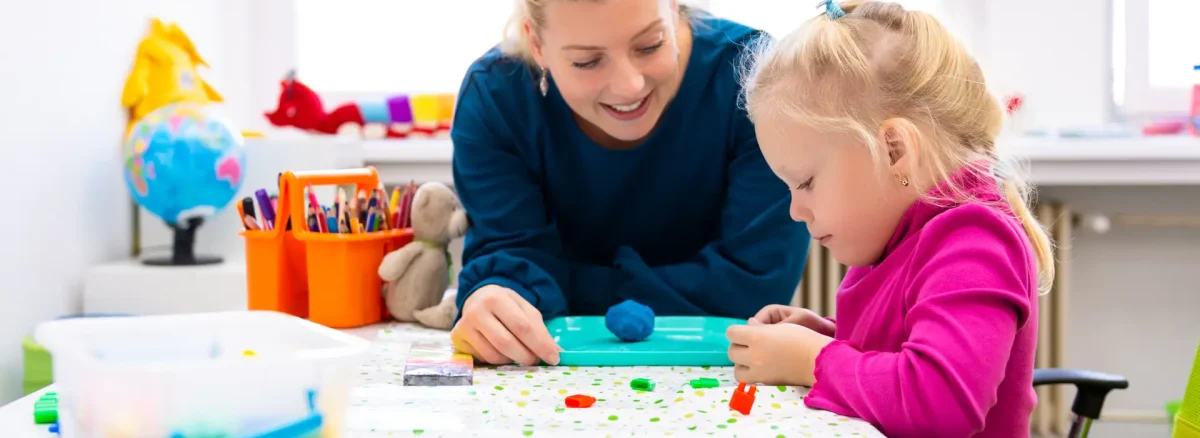
Pediatric physical therapy is a play-based and evidence-based rehabilitation process that targets movement and balance limitations caused by motor developmental delays, neurological disorders, or musculoskeletal injuries occurring from infancy through adolescence. Physiotherapists design exercises appropriate for the child’s age, interests, and developmental milestones to improve muscle strength, joint range of motion, coordination, and postural control.
The treatment program may incorporate modern approaches such as robotic gait systems, virtual reality applications, balance boards, aquatic therapy, functional electrical stimulation, and orthotics. These technologies offer high-repetition and motivating training opportunities, supporting neuroplasticity and accelerating gains. Sessions typically last 45-60 minutes, 2-3 times per week; progress is monitored with regular measurements, and goals are updated according to the child’s individual needs.
Family education plays a critical role in the success of pediatric physical therapy. Parents are taught proper positioning, home exercise programs, and ergonomics during play to ensure treatment continuity. This way, the child reinforces new skills not only in the clinic but also at home and school; their self-confidence increases, social participation strengthens, and long-term independent living skills develop.
Rehabilitation Methods and Technologies
- Play-Based Exercises: Motivation and continuity are ensured through tasks tailored to the child’s interests.
- Robotic Gait and Virtual Reality: Offers high-repetition, safe, and measurable training opportunities.
- Water Therapy (Hydrotherapy): Reduces joint load, improving muscle strength and cardiovascular endurance.
- Functional Electrical Stimulation (FES): Activates inactive muscle groups and reinforces neuromuscular control.
- Progressive Resistance and Balance Exercises: Can aid in scoliosis brace adaptation and reduce the risk of falls.
Session Process and Treatment Planning
The initial assessment includes movement analysis, muscle length-strength, and balance tests. Short-term and long-term goals are set collaboratively with the family. Sessions typically last 45-60 minutes, 2-3 times per week; the program is regularly updated according to the child’s growth rate and clinical course.
Family Education and Home Programs
Parents are taught positioning, carrying techniques, ergonomics during play, and home exercises to ensure treatment continuity. Active family participation supports both motor gains and socio-emotional development.
Choosing a Physiotherapist and Center Preference
For pediatric rehabilitation, centers that offer experienced physiotherapists with advanced pediatric training certificates, a multidisciplinary team, and advanced technological infrastructure should be preferred.
Frequently Asked Questions About Pediatric Rehabilitation
- At what age should pediatric physical therapy begin?
It can be started in the first months for infants with early diagnosis; there is no age limit. - Are the sessions painful?
Thanks to child-centered, play-based approaches, sessions are generally painless. - Is robotic gait suitable for all children?
Suitability is determined by the physiotherapist based on musculoskeletal status and medical stability. - How many times should we do home exercises?
Generally 1-2 sets per day; frequency is adjusted according to the therapist’s guidelines. - Is pediatric physical therapy covered by SGK (Social Security Institution in Turkey)?
It may be covered in public institutions for specific indications; fee policies vary in private centers. - Why is family participation important?
It increases the permanence of motor skills by ensuring continuity in the home and school environment. - What are the advantages of virtual reality exercises?
It offers high motivation, repetitive practice, and instant feedback. - Does physical therapy completely correct scoliosis?
Treatment aims to reduce the curvature and slow its progression; it’s important to remember that results vary from person to person. - Does the session duration tire the child?
Tolerance is generally high as programs are planned with play breaks and engaging activities. - How long does it take to see results?
Goals can vary between weeks and months depending on the diagnosis and motivation; regular follow-up is necessary for lasting gains.
References
- World Health Organization
- Centers for Disease Control and Prevention
- Mayo Clinic
- Cleveland Clinic
- Johns Hopkins Medicine
- American Academy for Cerebral Palsy and Developmental Medicine
- National Institute of Neurological Disorders and Stroke
- UpToDate
- Medscape
- Nature Reviews Neurology
- American Physical Therapy Association
- Cochrane Library
- National Institutes of Health
- Stanford Children’s Health
- Rehabilitation Measures Database