

- September 7, 2025
- Web Editorial Board
- Health Guide
What are the Harms and Risks of Cupping (Hacamat)?
While the harms of cupping (hacamat) are limited to temporary bruising for most people, in some cases, it can lead to problems such as burns, infection, scarring, anemia, and the exacerbation of existing skin conditions. Especially if wet cupping (the procedure involving blood removal) is not performed under sterile conditions, the risk of blood-borne infection increases.
What is Cupping and How is it Performed?
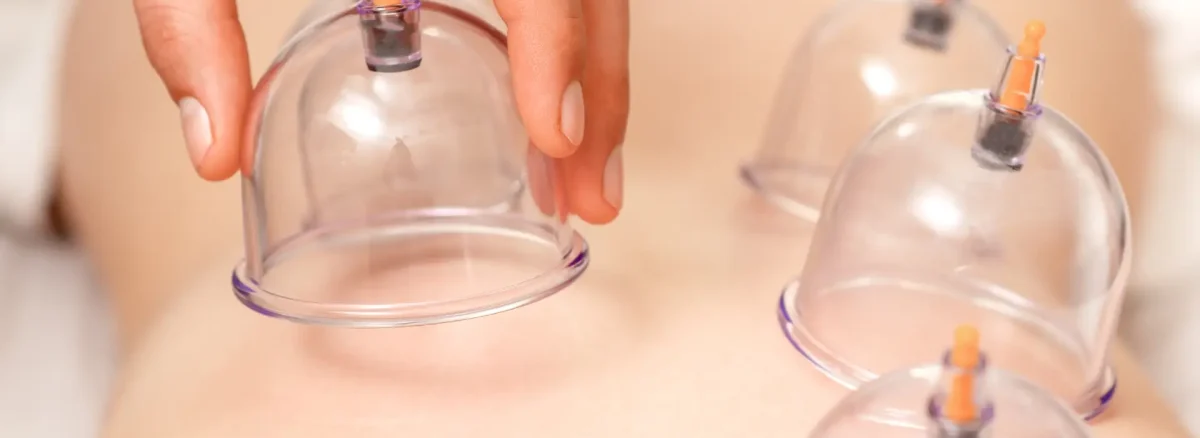
Cupping is a complementary practice based on creating negative pressure on the skin by placing cups (dry cupping) or making small incisions to draw blood (wet cupping). Scientific evidence regarding its effectiveness is limited; safety is closely dependent on the practitioner’s training and hygiene.
Possible Side Effects of Cupping
Common Mild Side Effects
Bruising, temporary skin discoloration, tenderness, headache, fatigue, and nausea may occur. These effects usually disappear within a few days.
Skin-Related Risks
With “fire” cupping methods, burns and blisters (bullae) can occur. Scars in the incised areas and thick scars (keloids) can develop in those prone to them. Inappropriate technique or hygiene can lead to abscesses and bacterial skin infections. It may trigger conditions like psoriasis and eczema.
Systemic and Rare Serious Complications
There have been reports of serious events such as iron deficiency/anemia after repeated wet cupping, and rarely, intracranial hemorrhage following cupping on the scalp. The risk of infection is higher in people with suppressed immune systems and those with diabetes.
Who Should Not Undergo Cupping or Should Exercise Caution?
It is not recommended for pregnant women, people taking blood thinners, those with coagulation disorders, severe anemia, or active skin infections. The elderly and those with chronic diseases should not undergo cupping without a physician’s approval.
When Should You Seek Medical Help?
Seek medical attention without delay if you experience high fever, increased pain, pus, widespread redness, extreme fatigue/dizziness, or prolonged bruising or bleeding.
Frequently Asked Questions About the Harms of Cupping
- Does cupping leave permanent scars?
Permanent scars are generally rare; a tendency toward keloid formation and improper technique increase the risk.
- Does cupping cause infection?
Non-sterile wet cupping can lead to skin and blood-borne infections.
- Can cupping cause anemia?
Frequent wet cupping can cause iron deficiency and anemia.
- Can pregnant women undergo cupping?
It is generally not recommended.
- I take blood thinners, is cupping safe?
No; the risk of bleeding and bruising increases.
- How long does bruising last?
It can last between a few days and a few weeks.
- I have a skin condition, can I get cupping?
Exacerbation can be seen in conditions like psoriasis and eczema.
- Should it be used on children?
It is generally not recommended; bruising may be mistaken for abuse, and there is a risk of infection.
- Is cupping a proven treatment?
Although there are promising findings in some pain conditions, the evidence is limited; it should not replace standard treatments.